Manual dialing requires alternating between input, ringing, and voicemail before every conversation. The parallel dialer reduces these steps. Its value depends on your list and time spent waiting: measure these factors in your own sessions.
The principle in one sentence
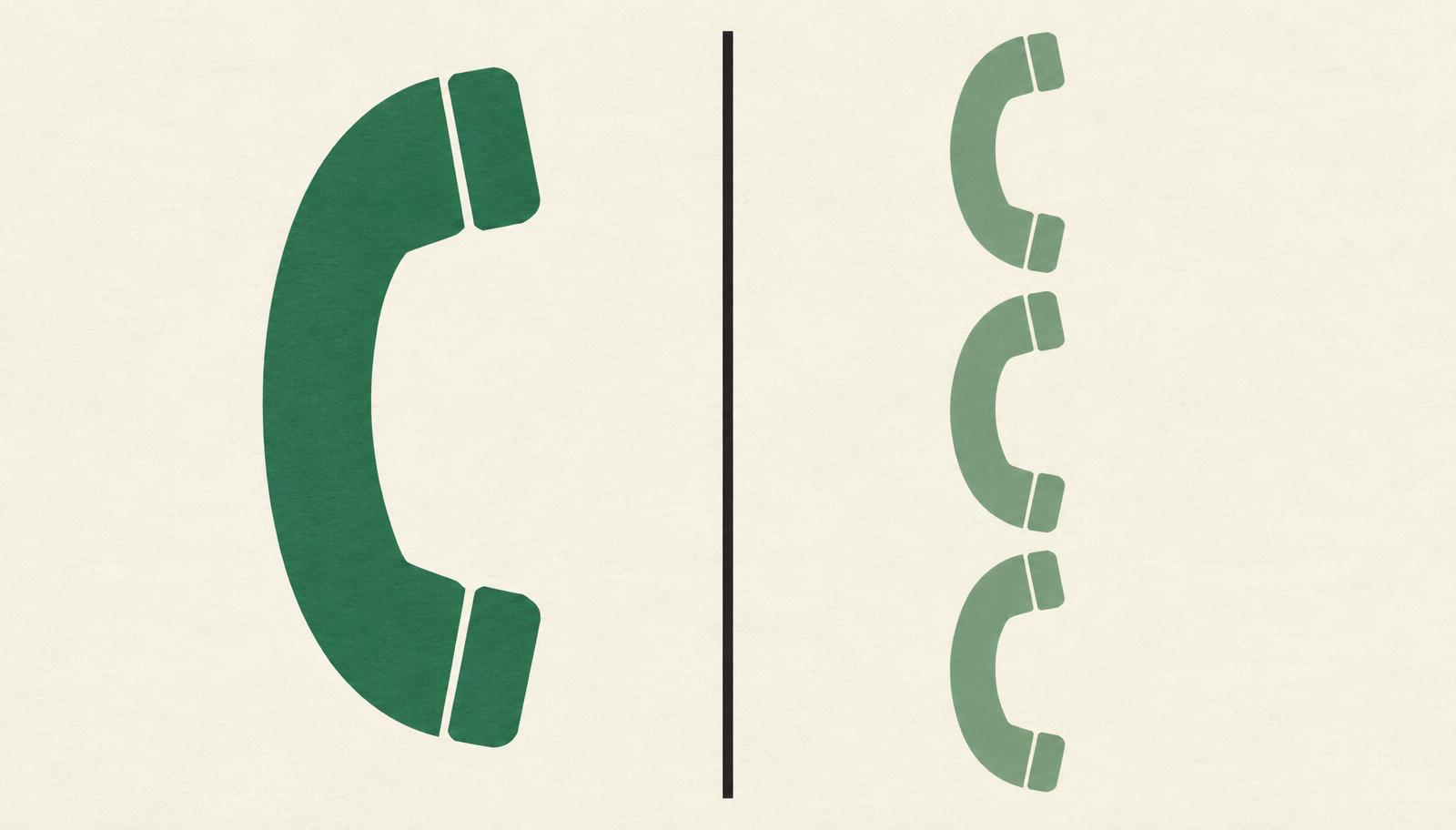
The software launches multiple simultaneous calls from your list, analyzes each answer, and only connects you to calls where a real person responds. Other lines are dropped before you hear them.
What happens, second by second
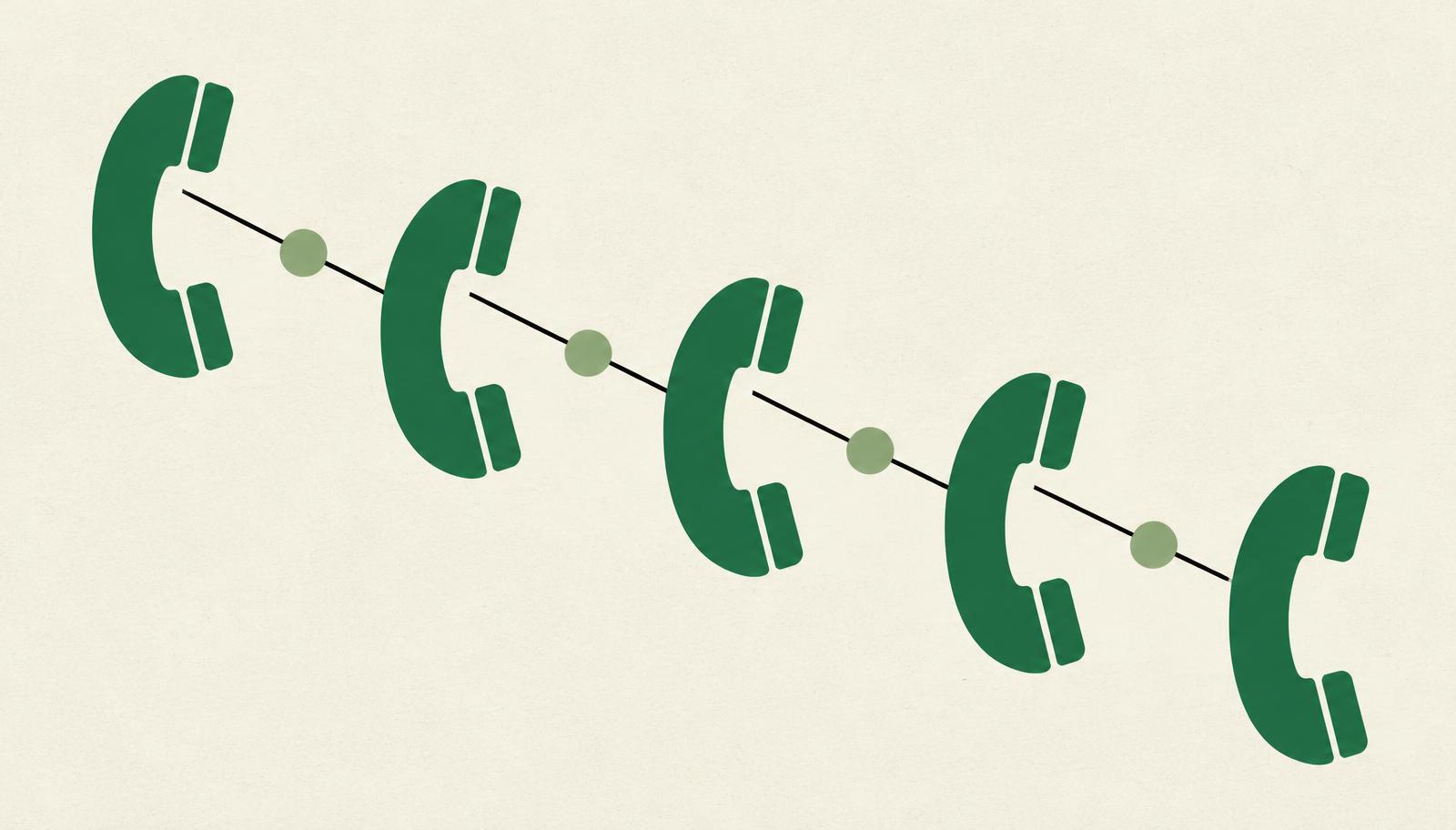
- 1You start a session on a contact list and choose a number of lines, for example four.
- 2Four calls launch at once. You hear nothing: no dial tone, no ringing.
- 3Two hit voicemail: the system recognizes, tags, and hangs them up. A third fails to connect.
- 4The fourth person answers and says "hello." The conversation is transferred to you with the contact record on screen.
- 5You speak. At the end, you log the outcome via keypad, and four new lines launch.
Measuring the gain on your own list
| Mode | What you measure | Limit to monitor |
|---|---|---|
| Manual dialing | Entry and waiting time | Re-entry and oversights |
| Power dialer | Time between calls | Waiting on a single line |
| Parallel dialer | Useful conversations per session | Simultaneous pick-ups and fatigue |
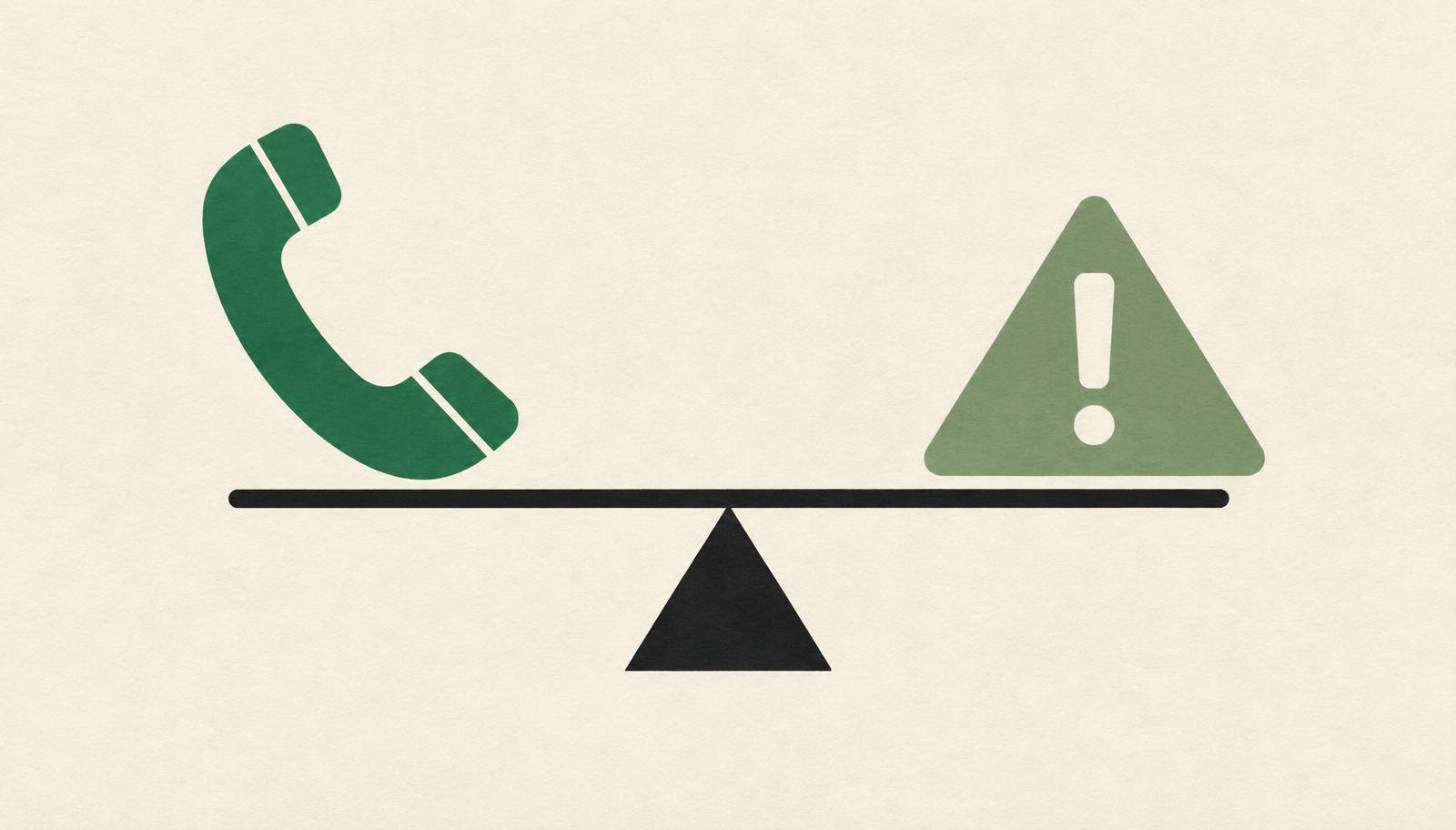
Compare sessions of similar duration on comparable lists. Note useful conversations, booked meetings, and opt-out requests. No performance multiplier is guaranteed by the number of lines.
How many lines to use
The right setting depends on your market's answer rate. On a typical B2B list, three to four lines offer the best compromise. On a highly reactive list, two lines suffice to avoid double pick-ups. On an old cold list, five lines are justified.
The right number of lines is the lowest number that keeps you in constant conversation.
Parallel dialer vs predictive dialer: not the same thing
Predictive dialers statistically estimate when a rep will be free and dial in advance, even when no one is available. This causes silent calls. A parallel dialer only dials for a rep already waiting: however, simultaneous pick-ups can still lead to a dropped call.
What the parallel dialer doesn't solve
- Poor targeting: calling irrelevant people faster improves nothing.
- Vague pitches: the first thirty seconds require work; no software writes them for you.
- Uncleaned lists: duplicates, invalid numbers, and opt-out lists must be handled beforehand.
Legal framework in France
In B2B, cold calling remains authorized, provided data processing is respected: documented legal basis, data subject information, and right to object. In B2C, solicitation requires prior consent. Even with a rep available, simultaneous pick-ups can lead to a drop: monitor this risk and reduce lines if necessary.
Setting up a first session
- 1Clean the file: international number format, duplicates removed, opt-out list applied.
- 2Define your seven possible call outcomes and nothing more, to allow keypad logging.
- 3Start with few lines, then adjust based on double pick-ups and your ability to keep up with conversations.
- 4Measure the answer rate by time slot for a week, then reschedule your sessions.
Frequently asked questions
Frequently asked questions
Does the prospect hear silence upon answering?
A delay may be noticeable depending on detection and network. Test the setting on your own lines; no universal delay can be guaranteed.
Is there a risk of two people answering at once?
It is possible on a highly reactive list. Another answered call may be disconnected; check its status before scheduling a retry. Lowering the number of lines reduces this.